



What is the Best Jeep Model?
When it comes to rugged capability, adventurous spirit, and timeless design, few manufacturers enjoy the same reputation as Jeep. With off-road icons such as the Wrangler, to more refined family SUVs like the Grand Cherokee, Jeep has a stable that will appeal to a wide range of drivers. But when asked, “What is the best Jeep model? the reply depends on what kind of driver you are and what you need most out of your vehicle.
So here, we will explore Jeep’s most popular models, mention their advantages, and help you know which one actually deserves the title “the best” – for you.
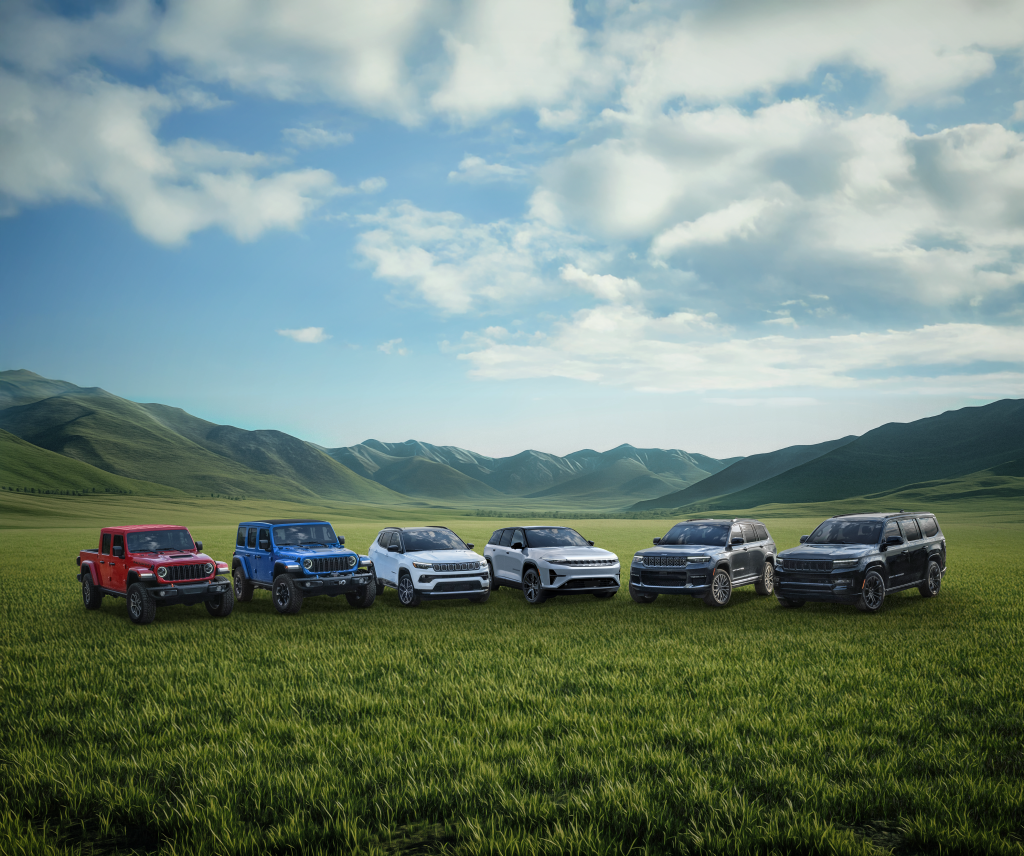
Jeep Wrangler – The Off-Road Legend
If adventure matters most to you, the Jeep Wrangler is in itself the quintessential Jeep vehicle. Its lineage dates back to the very first World War II Willys Jeep, and it remains a beacon of freedom and exploration.
The Wrangler is built for those who wish to drive where everyone else cannot. With available four-wheel-drive systems like Command-Trac and Rock-Trac, locking differentials, and low approach and departure angles, the Wrangler can drive through mud trails, boulders, and more. Removeable doors and tops give it an open-air ride that no other SUV can deliver.
The Wrangler line has a range of trims, from the classic Sport to the luxury Sahara and the Rubicon, which is more off-road focused. There is even a 4xe plug-in hybrid variant that combines efficiency and capability in one vehicle, with up to 49 MPGe while still delivering the power Jeep fans expect.
For flat-out adventure and off-road dominance, the Wrangler is the quintessential Jeep model — it is the essence and spirit of the brand.
Jeep Grand Cherokee – The Perfect Balance
For those seeking a combination of comfort, capability, and sophistication, the Jeep Grand Cherokee is the perfect all-around choice. It’s the company’s top SUV and offers the perfect balance of off-road capability and on-road refinement.
The Grand Cherokee is available in a range of trims from the nicely equipped Laredo to the upscale Summit Reserve. It also boasts strong powertrain choices with its 3.6L V6, 5.7L HEMI® V8, and the plug-in hybrid 4xe model for those who want improved fuel efficiency. The Grand Cherokee’s advanced 4×4 systems and available Quadra-Lift air suspension allow it to conquer difficult trails while offering a smooth, quiet highway ride.
Inside, the Grand Cherokee is characterized by upscale materials, cutting-edge tech, and generous space for passengers and cargo. Families love the Grand Cherokee L, a three-row version with seating for up to seven passengers without sacrificing comfort or capability.
For versatility and luxury, the Grand Cherokee is arguably the greatest Jeep model — suited for families, commuters, and weekend adventurers.
Jeep Gladiator
The Jeep Gladiator combines the Wrangler’s legendary DNA with pickup truck utility to create one of the most versatile vehicles in the Jeep lineup. If you need a vehicle that can traverse off-road trails and also haul gear, the Gladiator may be the ideal Jeep model for your situation.
The Gladiator takes a cue from the Wrangler’s aggressive look and removable roof and doors, giving you that very same open-air vibe. It’s powered by a 3.6L Pentastar® V6 with 285 horsepower and boasts a staggering 7,700-pound towing capacity when so equipped. The optional Rubicon trim adds some serious off-road equipment, making it one of the most off-road-worthy trucks ever made.
With its rugged construction and truck bed capacity, the Gladiator is the perfect Jeep vehicle for motorists who have to combine outdoor exploring with everyday functionality.
Jeep Compass – Compact Yet Capable
For those who want something a little smaller but still want to have that authentic Jeep identity, the Jeep Compass fails not. It’s a small SUV with more off-road capability than most of its competitors in its class, thanks to its available Trailhawk package and Jeep Active Drive Low 4×4 system.
The Compass has also seen full overhauls in the recent past, with a more premium interior, updated technology like a huge Uconnect touchscreen, and sophisticated safety features. It’s also fairly fuel-efficient, which makes it ideal for commuters who don’t want to give up the spirit of adventure.
If you’re looking for an affordable, easy-to-drive, and efficient SUV that still carries Jeep’s rugged DNA, the Compass is one of the best Jeep models for everyday life.
Jeep Cherokee – A True Jeep Classic
The Jeep Cherokee is a staple of the family for years, occupying the niche between the small Compass and the large Grand Cherokee. Acclaimed for its smooth ride and available off-road capability, the Cherokee provides drivers with an outstanding utilitarian but adventurous SUV.
With trims like the Trailhawk, Cherokee offers Jeep’s advanced 4×4 systems, skid plates, and ground clearance to make owners feel more secure off-road. Inside, it has a blend of space, technology, and comfort and is ideal for families or lifestyle-friendly people.
The Cherokee has been one of the top Jeep models for decades to combine getting together performance and everyday practicality in one well-rounded vehicle.
Jeep Wagoneer and Grand Wagoneer – The Height of Luxury
Apex of Jeep’s lineup are the Wagoneer and Grand Wagoneer, both full-size SUVs that establish the benchmark for what luxury means for Jeep. They provide unprecedented comfort, cutting-edge technology, and heavy-duty towing capacity — all without compromising Jeep’s legendary 4×4 capability.
The Wagoneer comes with an advanced cabin that’s equipped with premium materials, available eight-seat capacity, and best-in-class towing capacity of 10,000 pounds. The Grand Wagoneer takes it another step up with even more luxury, such as a full set of digital screens, massaging seats, and one of the quietest in its class.
If you want the most comfortable, most powerful, and most prestige-filled Jeep out there, the Grand Wagoneer is the best Jeep model — or if you’re a big family and the person who wants first-class luxury without giving up the Jeep life.
What’s the Best Jeep Model Overall?
The truth is that there’s not one “best” Jeep model — it all comes down to your needs.
For off-road enthusiasts: The Jeep Wrangler Rubicon is unbeatable.
For households and daily convenience: The Grand Cherokee or Grand Cherokee L are best.
For utility-oriented adventure enthusiasts: The Gladiator is the most functional.
For subcompact SUV purchasers: The Compass offers value and real capability.
For luxury buyers: The Grand Wagoneer is top of the list.
Each model represents a different aspect of what makes Jeep special — freedom, durability, and the ability to go anywhere. Whether you’re climbing a mountain trail, towing a boat to the lake, or simply running errands around town, there’s a Jeep perfectly suited for your lifestyle.
Final Thoughts
So, what is the best Jeep model? The answer rests in what kind of driver you are. Adventure-seeking? Choose the Wrangler. Comfort, luxury, and family at the top of your priorities? Choose the Grand Cherokee or Grand Wagoneer. Something in the middle — rugged but functional? Then the Gladiator or Cherokee would be your ideal match.
Jeep’s lineup is stronger and more diverse than ever, so there’s a great vehicle for every type of driver. Whatever you choose, you’re not only getting a car — you’re joining a tradition born of exploration, freedom, and the spirit of the open road.
Ultimately, the perfect Jeep model is the one that’s right for your adventure.
Gas or Diesel | Which One Should You Choose?

In deciding whether to buy a diesel or gas engine Ram truck, shoppers generally weigh performance, cost, efficiency, and long-term use. Each has its positives and negatives, and the decision is ultimately a matter of how the truck will be used and what matters most. Either powertrain in a Ram truck will do the trick, but the distinction between diesel and gas engines often makes one more appropriate to the situation.
| Category | Diesel Ram Truck | Gas Ram Truck |
|---|---|---|
| Purchase Price | Higher upfront cost | Lower upfront cost |
| Power | High torque at low RPM, ideal for towing | Higher horsepower, quicker acceleration |
| Towing/Hauling | Best for heavy loads and frequent towing | Good for light to moderate towing |
| Fuel Economy | Better efficiency on long highway drives | Lower efficiency but cheaper fuel per gallon |
| Daily Driving | Feels slower off the line, stronger under load | Responsive, lighter driving feel |
| Maintenance | More expensive repairs, requires DEF | Cheaper and easier to service |
| Durability | Built for long life, can exceed very high miles | Long-lasting, but not quite as robust as diesel |
| Fuel Availability | Diesel fuel slightly less common in some areas | Gasoline widely available everywhere |
| Noise & Vibration | Louder and more noticeable engine sound | Smoother and quieter overall |
| Resale Value | Higher resale due to demand and durability | Lower resale but smaller upfront investment |
| Best For | Heavy towing, long hauls, high mileage users | Everyday driving, lighter work, short trips |
Power and Performance
The most basic contrast between diesel and gas Ram trucks would be power delivery. Diesel engines are renowned for their massive torque output, which is specifically very beneficial for hauling and towing. A diesel Ram has robust pulling power at low RPMs, and heavy trailers become simple to haul with less stress on the engine. For those who trailer boats, campers, or equipment regularly, the diesel option provides for smoother and more aggressive performance.
Gas engines, by contrast, like to deliver more horsepower than diesel. This results in gas-powered Rams being faster in acceleration and more responsive for normal driving. If the individual uses their truck mostly as a daily driver, commutes, or likes quicker throttle response, the gas engine will be more lively and exciting on the road.
Fuel Economy and Efficiency
Diesel engines tend to be more fuel-efficient, especially on the highway. They burn fuel at a reduced rate and can achieve higher miles per gallon than gas engines of comparable size. For commuters who cover a lot of miles—especially highway miles—a diesel Ram can save money in fuel expenses in the long term.
Gas engines do hold the edge for drivers who drive shorter. Diesel fuel economy excels on long road trips, but in city traffic or stop-and-go conditions, the difference between diesel and gas fuel economy can close. Gasoline is generally cheaper at the pump, which equates to while a gas engine may be more expensive overall, per fill-up, it is usually cheaper.
Cost and Maintenance
The starting price of a diesel Ram is typically more than that of a gas-powered one. Diesel engines are more expensive to make and put in place, and that’s what’s charged to the truck. Buyers must consider whether the long-term savings and towing benefits make the higher initial expense worth it.
Maintenance is yet another consideration. Diesel engines will last longer and are designed to withstand the rigors of heavy use, making them more desirable in heavy-duty trucks. That said, when they do require repair, they can be more costly due to the nature of the engine and the price of diesel-only components. Routine maintenance in the form of fuel filter changes and diesel exhaust fluid refills also contributes to the cost of ownership.
Gas engines are generally less costly to fix and maintain. Parts are easily found, and technicians are more used to gas engines, so the job is quicker and more affordable. They may not make it quite as far as a properly maintained diesel, but many gas Rams will still give hundreds of thousands of miles of hassle-free service to most motorists.
Longevity and Resale Value
A diesel Ram truck typically holds a higher resale value. The popularity of diesel engines because of their long-standing reputation for durability and towing capacity makes it a sought-after vehicle in the used market. Individuals who plan to keep their truck for years and drive it extensively may find more value in owning diesel.
Gas Rams, although typically depreciate faster, still have strong demand, especially in half-ton trucks. Because the up-front cost is lower, depreciation doesn’t seem as extreme, and for those buyers who plan to upgrade after a few years, the gas engine could be more cost-effective.
Driving Experience
The driving experience with gas and diesel also vary. The diesel engines are quieter than previously but still have a distinctive noise. They are more sedate in their acceleration, with their power felt in towing circumstances rather than stoplight acceleration.
Diesel engines provide a more responsive, antiquated driving feel for most drivers. They provide quicker acceleration and help make the truck lighter on its feet, which can be a tremendous advantage for frequent use in suburb or city environments.
Who Should Choose Diesel?
A Ram truck equipped with diesel is ideal for clients who:
- Tow or haul heavy loads on a regular basis.
- Travel long miles, particularly on the highway.
- Require maximum fuel efficiency for extended hauling.
- Plan to keep the truck for a long period and value longevity.
- Appreciate greater resale value in the future.
Who Should Choose Gas?
A gas-powered Ram truck is better for those drivers who:
- Will be using their truck primarily for commuting or light-duty work.
- Drive shorter distances or mostly in the city.
- Enjoy a lower initial purchase price and lower maintenance.
- Want a more responsive and faster driving experience.
- Do not demand maximum towing capacity.
Final Thoughts
The choice between a diesel and gas Ram truck is based on use. Diesel is ideal for towing, long-distance fuel economy, and durability, which makes it ideal for heavy-duty use and repeated hauling. Gas engines are ideal for budget-friendliness, daily use, and lower maintenance, which makes them ideal for light-duty use and daily driving. Each powertrain does what it does well, and buyers who sit down and honestly evaluate their driving habits, budget, and long-term plans will find that one option suits better than the other by default.
What are the Most Popular Truck Colors?

The Most Popular Truck Colors Over the Years
Truck colors have changed incrementally over the years, but certain colors have dominated roads, driveways, and building sites decade after decade. A truck’s color isn’t merely paint—it’s a statement of utility, personality, and heritage. Observing trends unfurl decade by decade, we see how buyers are attracted to specific colors, and the way those choices reveal practicality and beauty.
White – Always Number One
White has been the top choice among the most popular truck colors for over two decades. Sometimes as high as 30–35% of all new trucks sold in the U.S. were white, illustrating just how pervasive this preference has been. It is well liked because it is practical—dirt conceals more easily than dark colors, radiates heat in warm climates, and presents a professional, clean-cut image.
During the 1990s, white began its ascendancy as contractor and fleet work trucks made it the obvious choice. During the 2010s, white was no longer just for utility—it was a fashionable choice for personal trucks, especially with black trim or chrome accents. Even today, about one out of every three trucks on the road is white, proof of its endurance.
Black – Brazen Rise in Popularity
Black has had one of the steepest rises of the past two decades. In the early 2000s, only about 10% of trucks were black, but since then that number often moves into the 20–25% zone. Black conveys strength, toughness, and premium draw, so most top trims—luxury and sport models—use black as an option.
It does require more upkeep, with dust and scratches being apparent, but for many owners, that’s what it takes to get the payoff of having a vehicle that appears powerful and commanding. Black trucks are especially favored by city buyers who want their trucks to be workhorses by day but desirable fashion statements by night.
Silver – A Consistent Classic
Silver was at its peak popularity in the early 2000s, when nearly 25% of trucks sold at the time were in metallic or silver. Its share has fallen somewhat since then, but always remained in the 15–18% range now.
Silver trucks occupy a middle ground—they’re new and shiny but less high-maintenance than black. As truck models became more aerodynamic and chiseled during the 2000s and 2010s, silver highlighted these lines beautifully, making it a safe, stylish option for personal and business purchases.
Gray – The Rising Contender
Gray, previously overshadowed by silver, has taken off in the past decade. In the early 2000s, less than 5% of trucks were gray, but now that figure is nearer 12–15%. New colors such as graphite and charcoal make trucks tough yet elegant, attractive to individuals who desire a classy appearance without having to subject it to the high-maintenance cost of black.
The matte and satin finishes that became so popular during the late 2010s also played their part in making gray so hot. Gray, to most consumers today, is an up-to-date option that easily crosses boundaries from work to lifestyle.
Blue – Always Chique
Blue has held 7–10% of the truck market for decades. It was never a dominant choice, but it remains steady because it offers diversity and distinction. Dark navy blues project a professional, commanding presence, while brighter metallic blues project a vibrant, youthful appearance.
In the early 1990s, blue trucks were mainstream, especially with mid-size pickups. Over time, neutral colors took over, but blue never went out of style—it continues to appeal to those who desire something timeless but distinctive.
Red – The Statement Color
Red has typically represented around 8–10% of trucks sold. In the 1980s and 1990s, it was run-of-the-mill fare, especially for sport models. These days, deeper reds like burgundy or maroon are more common than fire-engine reds, introducing a touch of sophistication to the bluster of trucks.
Red cars are often chosen by drivers who want to be seen. While they do not head the sales charts, they are very visible on the road and make them popular for those with extroverted personalities.
Specialty and Niche Colors
Green, brown, orange, and even yellow have had their time in the sun, but they tend to account for less than 5% of all trucks sold in any given year. They appeal to niche markets—outdoorsmen who like earthy greens, adventurers who are drawn to bold oranges, or collectors who desire unique factory colors.
Over the decades, these colors rise and fall with fashion. For example, forest green trucks were on their peak in the late 1990s, while matte army green regained popularity in the recent decades.
A Quick Look at the Trends
- 1990s: Red and white were running the show, with blue and green also contenders.
- 2000s: Silver and black rose sharply, with white still on top.
- 2010s: Silver and black were riding high, with silver falling somewhat.
- 2020s: White remains monarch, black is a close second, and gray rises higher in popularity.
Today, about three out of four trucks sold are white, black, silver, or gray, showing just how pervasive the neutrals are. But red and blue hold firm, and specialty colors keep matters lively for consumers who desire to stand out.
Conclusion
Truck colors are painting a picture not just of individual buyers but of truck culture itself through the decades. White is tradition and practicality, black is boldness, silver is balance, and gray is contemporary style. Blue and red are personality, and specialty colors are flair.
The percentages decade by decade reveal changing tastes but also function to establish that certain choices—white and black—never fall from favor. Ultimately, truck color is not merely paint—it’s an extension of identity, lifestyle, and pride of ownership.
Ram Trucks that Come Standard with Leather Seats
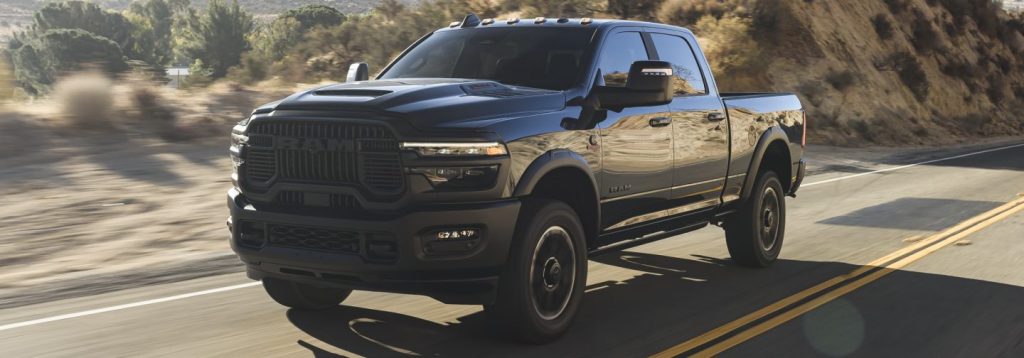
Within the full-size pickup truck segment, Ram 1500 has developed a reputation for delivering not just power and capability but also refinement and comfort. Over the past decade, Ram has leaned harder toward premium and luxury styling than nearly any competitor, and that’s why it’s a hit among truck buyers who need their vehicle to do double duty as a work truck and a comfortable commuter. One of the highlights of the upper trims of the Ram 1500 is leather seating, which takes the interior from a brutish utilitarian feel to something more befitting luxury SUVs. Not all Ram 1500s get leather, however—so it helps to know which trims come with it directly from the factory and which need optional packages.
Understanding Trim Levels and Leather Availability
Ram 1500 model hierarchy is divided into a chain of trims that vary from utilitarian and budget-minded to luxury-oriented and premium. Leather-covered seating is normally reserved for the mid-to-high trims of this hierarchy since interior trim is one of the most important ways in which Ram differentiates between models. Cloth, vinyl, or premium cloth are standard with the lower trims, with leather becoming an option when you start shopping the models built for luxury and comfort.
| Trim Level | Standard Interior Material | Leather Standard? | Notes |
|---|---|---|---|
| Tradesman | Vinyl/Cloth | ❌ No | Base work-focused trim, leather not available as standard. |
| Big Horn | Premium Cloth | ❌ No | Leather available as an optional package upgrade. |
| Rebel | Premium Cloth/Vinyl | ❌ No | Leather optional with upgrade packages; off-road focused. |
| Laramie | Leather | ✅ Yes | First trim with standard leather seats; heated/ventilated front seats. |
| Limited Longhorn | Premium Leather | ✅ Yes | Western-inspired styling, unique leather textures and accents. |
| Limited | Premium Quilted Leather | ✅ Yes | Most luxurious interior, leather extends to dash/doors/console. |
| TRX | Leather/Suede Combination | ✅ Yes | Performance-focused, leather combined with suede or cloth inserts. |
Ram 1500 Laramie
The Laramie trim is typically when Ram starts to come in standard leather. This is the trim where Ram starts to position the 1500 as a serious competitor of luxury vehicles. The seats are covered in genuine leather with contrasting stitching, and both front seats usually come equipped with heating and ventilation. Buyers get the choice of several interior color combinations, and the leather is not just on the seats themselves, adding to the upscale feel. The Laramie appeals to buyers who want refinement but do not necessarily need to go all the way into the high cost of higher models.
Ram 1500 Limited Longhorn
Limited Longhorn trim is where the leather experience becomes more unique and tailored. With ranch and western influences, this version has top-shelf leather that often includes tooled or textured finishes, ornate stitching, and branded embossing that distinguishes it from mass-market truck interiors. Seats, dashboard, and even door panels all have leather trim, providing cabin environments with a handmade look. This trim is desirable to those customers who like rugged luxury—something that looks back nostalgically at the old-school truck heritage but still offers up-scale comfort.
Ram 1500 Limited
Limited is the height of sophistication among Ram 1500 trims. In this trim, leather is not only stock—it dominates the overall cabin design. The seating includes high-end leather with quilted stitching and high-end perforation designs. Ram takes it to the next level and adds leather wrapping to the dashboard, center console, steering wheel, and door panels. Front and rear heated and ventilated seats ensure passengers’ comfort is equivalent to the driver’s. It’s for whoever desires their truck to offer the same level of luxury an upper-end SUV in conjunction with capability and a rich, executive-level interior.
Ram 1500 TRX
Despite the fact that the TRX is engineered mainly as an off-road performance truck, leather is still the norm here. Hard-edged styling touches like bolstered sport seats are introduced in the TRX along with premium materials. The surfaces of leather upholstery are complemented by suede or premium cloth inserts, depending on trim levels, to provide traction for enthusiastic driving. Red trimmings, stitching, and available carbon fiber trim complement the leather, providing the interior with a sporty but upscale look. Buyers who are drawn to the TRX tend to be drivers who require straight-up performance but appreciate leather seats for their daily drive as well.
Trims Not Including Standard Leather
It should be noted that trims below Laramie typically do not include leather in their standard. The Rebel, Big Horn, and Tradesman have cloth, vinyl, or premium cloth seating standard but with leather occasionally available as an upgrade package. A Rebel buyer might receive a premium interior package that adds leather surfaces but is not necessarily a factory option. This distinction is how Ram uses leather as a luxury feature that defines upper trims.
Why Leather Matters in a Truck
Leather interiors in a truck are not just for show. For certain owners, leather offers benefits such as easier upkeep, longer lifespan, and more elegant comfort for passengers. Ventilated leather in hot climates can make long driving much more pleasant, and warm-up leather seats in cold weather add to convenience. For customers who use their truck as a mobile office or family vehicle, these comfort features are on par with towing capacity or off-road capability.
Choosing the Appropriate Trim
For customers deciding on which Ram 1500 to purchase, the choice will be based primarily on how much luxury they desire. If leather seats are a necessity, then the Laramie is the place to start. For those looking for a combination of luxury and distinctive styling, the Limited Longhorn is the way to go. The Limited is the most suitable option for those that desire the utmost in refinement, and the TRX is ideal for drivers who demand performance with a hint of leather luxury.
Final Thoughts
Leather is now a distinguishing aspect in Ram’s quest to provide trucks that compete not only on capability but on luxury. Starting with the Laramie and progressing upward through the Limited Longhorn, Limited, and TRX, Ram ensures that those drivers who value comfort and luxury features can find a model that will fit their lifestyle. Whether it is the utilitarian ranch ruggedness of the Longhorn, the executive-level refinement of the Limited, or the sporty appearance of the TRX, leather interior trim is a significant differentiator that sets these models apart from the other models in the range.


